7 Budget DIY Methods to Soundproof a Home Office Without Professional Materials
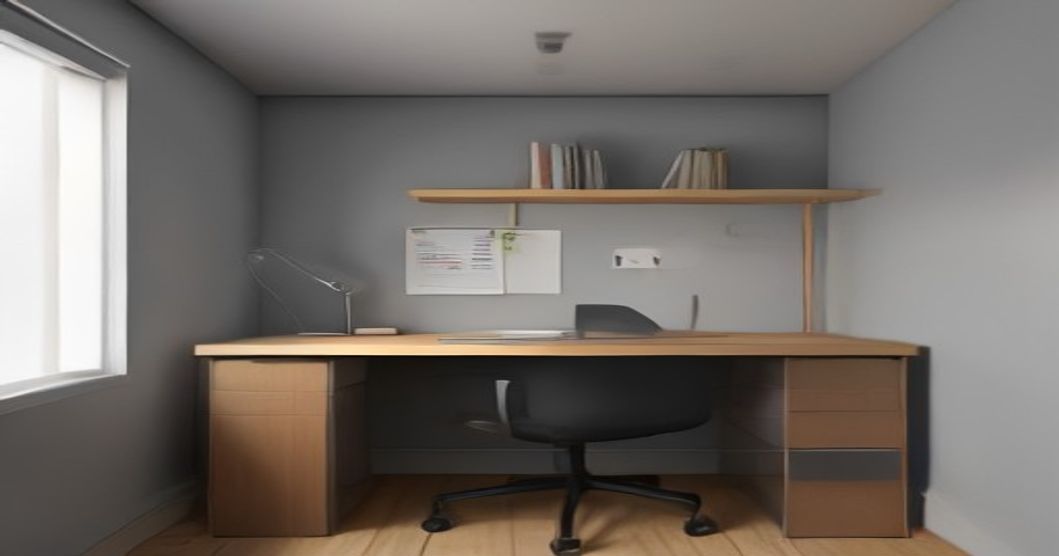
I was mid‑presentation on a Zoom call when my neighbor’s lawn mower roared through the screen. My voice sounded like a whisper, my client’s eyebrows were raised, and I could feel the heat rising in my cheeks. I stared at the tiny icon that said "background noise detected" and thought, There’s got to be a better way.
That moment sparked a weekend of experimentation, and after a few trial‑and‑error sessions I landed on seven surprisingly cheap tricks that turned my noisy nook into a decent‑quiet sanctuary. If you’re juggling a limited budget and a home office that doubles as a hallway, these methods are for you.
Why Soundproofing Matters
A quiet workspace isn’t just a luxury; it’s a productivity multiplier. When you can hear yourself think, you finish tasks faster and with fewer errors. It also protects your professional image during virtual meetings—no more “Can you repeat that? The dog just barked.”
Method 1: Seal the Door Like a Pro
What You Need
- Self‑adhesive weatherstripping (the foam kind you find at hardware stores)
- A rolled towel or a cheap draft stopper
- A utility knife
Step‑by‑step
- Measure the door frame’s perimeter with a tape measure.
- Cut the weatherstripping to length, leaving a tiny overlap at each corner.
- Peel the backing and press the strip firmly onto the door jamb, ensuring a tight seal.
- Slide the rolled towel or draft stopper at the bottom of the door; this catches low‑frequency sounds that slip under.
- Test by clapping on the other side—if you still hear a faint echo, add another layer of foam.
Tip: If your door swings both ways, apply the weatherstripping on both sides of the jamb for maximum blockage.
Method 2: DIY Wall Hangings
Soft fabrics absorb mid‑range frequencies far better than bare drywall. Hang a series of thick blankets, tapestries, or even a decorative quilt on the wall directly behind your desk. Secure them with removable command strips so you can swap them out whenever you like.
Method 3: Acoustic Foam Alternative
Professional acoustic panels can cost $30 per square foot. A cheaper hack is to use egg‑carton style insulation panels (the kind used for attic insulation). They’re lightweight, fire‑rated, and surprisingly effective at diffusing sound.
- Cut the panels to fit the wall area you need to treat.
- Attach them with a thin layer of spray adhesive or double‑sided tape.
- Cover the panels with fabric that matches your décor for a cleaner look.
Method 4: Carpet and Rug Magic
Hard floors bounce sound around like a pinball machine. Lay down a thick rug or a couple of inexpensive carpet squares under your desk chair. If you have a hardwood floor, a rug with a dense backing works wonders for both footfall noise and echo.
Method 5: Bookcase Buffer
A fully‑stocked bookcase is an unsung hero of sound absorption. Position a tall bookshelf against the wall that shares the most traffic—your neighbor’s hallway, the kitchen, or the living room. Fill it with a mix of books, binders, and even some decorative boxes to create a varied surface that traps sound waves.
Method 6: Window Inserts with Everyday Items
Windows are the Achilles’ heel of any home office. Instead of pricey acoustic windows, use a clear acrylic sheet cut to the size of your window. Tape it over the glass with painter’s tape. The acrylic adds mass, reducing the amount of outside noise that gets through. When you need natural light, simply peel it off.
Method 7: Ceiling Cloud
If you have a low‑ceiling home office, a “cloud” can dampen echo from above. Suspend a lightweight canvas drop cloth or a thick fabric panel a few inches below the ceiling using removable hooks. This creates a barrier that absorbs high‑frequency noise from HVAC systems and street traffic.
Frequently Asked Questions
Q: Will these DIY methods work for a rental apartment? A: Absolutely. All the solutions rely on removable adhesives or non‑permanent fixtures, so you won’t jeopardize your security deposit.
Q: How much time should I expect to spend on each method? A: Most can be completed in under an hour. The bookcase buffer and wall hangings are the quickest; the ceiling cloud might take a bit longer because you’re working overhead.
Q: Can I combine multiple methods for better results? A: Yes, layering is the secret sauce. A sealed door plus a rug and a wall hanging will give you a noticeable drop in ambient noise without breaking the bank.
I still remember the relief of hearing my own voice clearly on the next Zoom call, after I’d applied the weatherstripping and draped a thick blanket over the wall. The client didn’t even notice the background noise, and I could finally focus on the presentation rather than the roar of the lawn mower.
If you’re feeling overwhelmed, start with the easiest fix—seal that door. Then, as you see improvements, add one or two more methods that fit your space and style. Soundproofing doesn’t have to be a full‑blown construction project; a few thoughtful tweaks can make your home office feel like a private studio.
Good luck, and may your meetings be mute‑free!
By the ReadyTips Team
We research, test, and write practical guides so you don't have to figure things out the hard way. Every article is reviewed by hand before publishing.