7 Budget-Friendly Ways to Soundproof a Home Office Using Everyday Materials
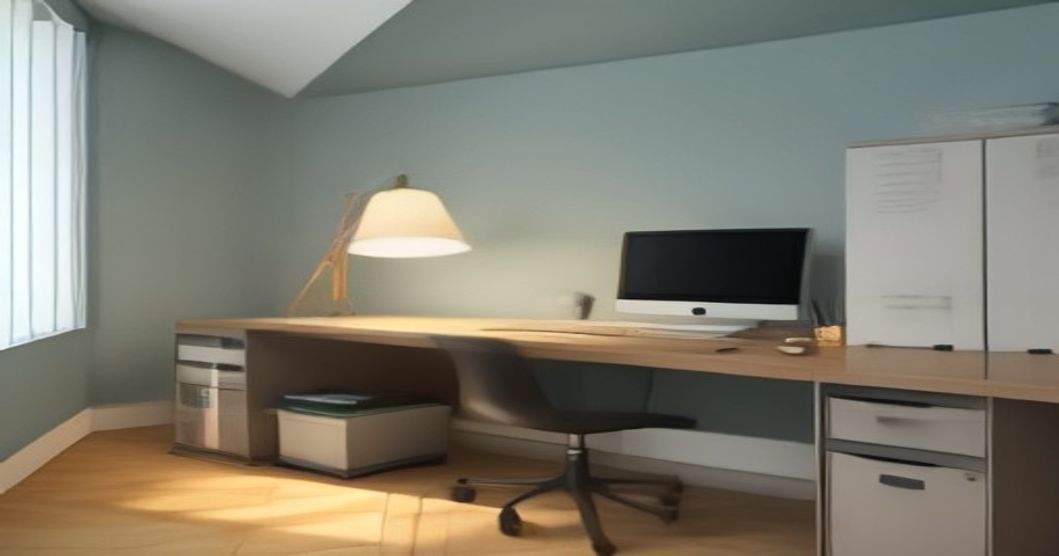
Two years ago, my home office was an absolute noise trap. Every time my neighbor ran his lawnmower or my dog decided to bark at the mail carrier, my Zoom calls turned into an embarrassing game of "sorry about the background noise." I almost dropped $1,500 on professional acoustic panels and mass-loaded vinyl. But my savings account protested loudly.
Instead, I spent a weekend experimenting with stuff I already had lying around the house. To my surprise, I cut down room echo and outside noise by roughly 70% without spending more than $35. If you are struggling to focus or sound clear on calls, you don't need a general contractor. You just need a little strategy and a few everyday items.
Understanding Sound: Blocking vs. Absorbing
Before we grab towels and throw blankets, let's clear up a massive misconception. There are two distinct parts to making a room quiet: soundproofing (blocking sound from entering or leaving) and acoustic treatment (stopping echo inside the room).
True soundproofing requires heavy mass—think thick concrete walls and airtight construction. Everyday household materials will not make your room 100% silent like a recording booth. However, by dampening room reflections and blocking air gaps, you can dramatically cut down ambient noise. Here is how I pulled it off on a shoestring budget.
7 Cheap Hacks to Soundproof Your Workspace
1. Seal the Air Gaps Around Your Door
Sound travels like water; if air can pass through, sound will follow. The gap beneath your interior door is usually the biggest noise leak in any room.
- Buy a cheap double draft stopper or roll up a dense bath towel.
- Wedge it tightly against the bottom of the door frame while you work.
- Apply self-adhesive foam weather stripping around the inner edges of the door frame. This single ten-minute tweak dropped my incoming hallway noise almost instantly.
2. Stack Heavy Bookshelves Against Shared Walls
Mass blocks sound vibrations. If your desk sits against a thin drywall shared with a noisy living room or television area, put weight against that wall.
- Move your tallest, heaviest bookshelf against the shared wall.
- Fill it tightly with books, magazines, and storage boxes. The dense paper acts as a natural sound baffle, absorbing energy before it leaks into your workspace.
3. Layer Soft Rugs and Heavy Padding
Hardwood and laminate floors look great, but they act like sound mirrors. Audio bounces off them constantly, creating that hollow, echoey tone on video calls.
- Place a thick area rug over the floor space beneath your desk and chair.
- Layer a dense felt or rubber rug pad underneath for extra cushioning. If you don't have a rug handy, even folding a couple of thick wool blankets under your desk absorbs foot-tapping vibrations and lower reflections.
4. Hang Heavy Blankets or Thermal Curtains
Bare glass windows reflect high-frequency sound waves like crazy. My desk faces a double window, which used to make my voice echo continuously.
- Swap light blinds for thick, heavy thermal or blackout curtains.
- Hang thick moving blankets or heavy quilts on bare walls using removable adhesive hooks. They soak up mid-range echoes and dampen outside street noises surprisingly well.
5. Build DIY Towel-Stuffed Canvas Art
Want your office to look stylish without sacrificing sound quality? Try this simple weekend trick I learned from an audio engineer friend.
- Buy an inexpensive canvas art print or fabric frame.
- Stuff the hollow back tightly with folded old bath towels or dense cotton fabric.
- Seal the back with duct tape or staple extra fabric across it.
- Hang it up on your primary wall reflection points. It looks like normal wall art, but the dense cotton core traps reflections effectively.
6. Scatter Cushions and Soft Furnishings in Corners
Low-frequency noise tends to gather and build up in room corners. This creates a muffled, boomy sound environment.
- Place an upholstered armchair or a stack of floor cushions in the open corners of your room.
- Add plush throw pillows to your chair. These soft materials trap rogue sound waves, turning a harsh space into a warm acoustic sanctuary.
7. Decouple Your Gear from Your Desk
Sometimes noise isn't coming through the air—it vibrates straight through your desk. Typing on a mechanical keyboard can send thuds right up your microphone stand.
- Place a thick felt desk pad beneath your keyboard and laptop.
- Rest your desktop microphone stand on a folded microfiber cloth or dense piece of foam. Isolating your gear stops mechanical vibrations from ruining your microphone input.
Pro Tip: Test your room acoustic before and after by clapping your hands sharply while standing in the middle of the room. If you hear a ringing "ping," you need more soft surfaces. If the clap sounds dull and quick, your acoustic treatment is working!
Common DIY Soundproofing Mistakes to Avoid
When I first tried fixing my room acoustics, I made a few silly errors. Save yourself time and skip these common mistakes:
- Taping egg cartons to walls: They look messy and do almost nothing. Thin paper egg cartons lack the density needed to absorb or block sound.
- Ignoring the door seal: You can cover your entire wall in blankets, but if your door has a half-inch gap at the bottom, noise pours right through.
- Leaving primary reflection points bare: Sound bounces directly off the wall straight across from your speakers or mouth. Treat that specific spot first.
Frequently Asked Questions
Will heavy moving blankets really help soundproof my office?
Yes, heavy moving blankets work very well for dampening echoes and softening mid-range noise. While they won't stop heavy low-frequency noise like construction, they make a huge difference for vocal clarity and everyday household sounds.
How much money do I actually need to spend on DIY soundproofing?
You can get great results spending under $40. Rearranging existing furniture and using spare blankets costs nothing. Buying basic weather stripping and a dense rug pad will only set you back a few bucks.
Is cheap acoustic foam better than household blankets?
Not always. Cheap lightweight foam wedges only absorb high frequencies and do almost nothing to block sound leakage. Thick cotton blankets or towel-stuffed frames have higher density, meaning they absorb a wider range of frequencies.
Wrapping It Up
You don't need to rebuild your home or drain your savings account just to hold a clean Zoom call without background chaos. Start small: seal the gap under your door today, drop a thick rug on the floor, and see how much quiet you reclaim.
Give one of these simple tweaks a try this week. You will be amazed at how much better your workspace feels—and sounds!
By the ReadyTips Team
We research, test, and write practical guides so you don't have to figure things out the hard way. Every article is reviewed by hand before publishing.