Quick, Chemical‑Free Descaling: Fresh Lemon Slices for Your Electric Kettle in 15 Minutes
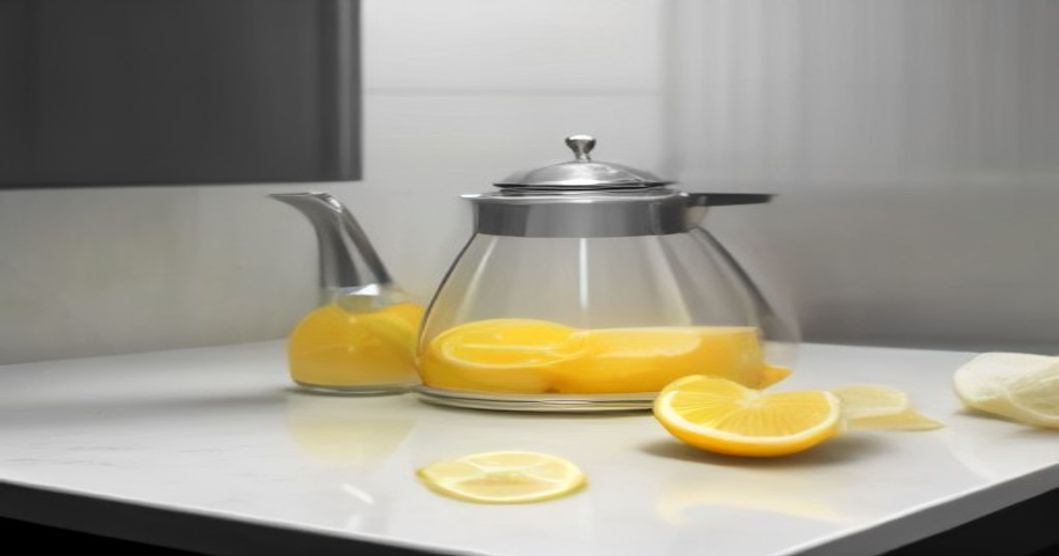
A Morning That Smelled Like a Spa (Except It Was My Kitchen)
I was halfway through my usual oatmeal when the kettle let out a sigh that could have been a sigh of relief—if I’d ever heard a kettle sigh before. The water tasted metallic, and a thin film clung to the inside like a stubborn postcard from a vacation I never took. I stared at the cloudy surface, wondering if I needed a new kettle or a miracle. Then I remembered a tip my grandma swore by: fresh lemon slices. The idea felt oddly refreshing, so I gave it a shot. Fifteen minutes later, the kettle looked brand‑new, and the water tasted bright again. If you’re in the same boat, here’s exactly how I did it.
Why Lemon Works (And Why It Beats Harsh Chemicals)
The science in plain English
Lemon contains citric acid, a natural descaler that dissolves calcium carbonate—the main culprit behind kettle scale. Unlike commercial descaling solutions that pack phosphoric or sulfamic acid, lemon is food‑grade, non‑toxic, and leaves a pleasant scent.
The emotional payoff
There’s something oddly satisfying about using a kitchen staple you already have on the counter. No extra expense, no hazardous fumes, and the whole process feels like a mini‑ritual of self‑care for your appliances.
What You’ll Need (All Under $5)
- Two fresh lemons – the juicier, the better.
- A sharp knife – for slicing.
- A heat‑proof bowl or the kettle itself – whichever you prefer.
- A timer – your phone works just fine.
- A clean cloth – to wipe the exterior after.
Step‑by‑Step Descaling in 15 Minutes
- Slice the lemons – Cut each lemon into 6–8 thin rounds. The thinner the slice, the more surface area for the citric acid to work.
- Load the kettle – Place the slices directly into the empty kettle. If you’re nervous about the lemon bits sticking, you can toss them into a heat‑proof bowl and pour the water over them later.
- Add water – Fill the kettle with enough cold water to cover the slices completely. Usually, that’s about 1.5 L for a standard 1.7 L kettle.
- Heat it up – Turn the kettle on and let it come to a full boil. As soon as it stops boiling, turn it off and let the mixture sit.
- Let it steep – Set a timer for 5 minutes. During this time, the citric acid bubbles away the mineral deposits.
- Swirl and wait – After the first 5 minutes, give the kettle a gentle swirl to loosen any stubborn spots, then let it sit another 5 minutes.
- Dump and rinse – Pour out the lemon‑infused water (you can compost the slices). Rinse the kettle twice with clean hot water to flush any residual acid.
- Wipe the exterior – Use the clean cloth to wipe the outside; the lemon scent will linger pleasantly.
- Final boil – Fill the kettle with fresh water and bring it to a boil one more time. This step guarantees no lingering lemon flavor if you’re a coffee purist.
Tip: If your kettle has a thick layer of scale, repeat the process once more. The second run usually clears the remaining spots without any extra effort.
Preventing Future Scale Buildup
- Use filtered water – A simple pitcher filter removes most of the minerals that cause scale.
- Empty after each use – Letting water sit encourages minerals to settle.
- Quick weekly rinse – A quick boil with plain water once a week keeps the interior from getting grimy.
FAQ
Q: Can I use bottled lemon juice instead of fresh slices? A: Technically yes, but bottled juice often contains preservatives that may leave an off‑taste. Fresh slices give you pure citric acid and a pleasant aroma.
Q: My kettle has a plastic lid—will the lemon damage it? A: No. Citric acid is mild enough not to warp plastic. Just make sure the lid is removed or loosely placed so steam can escape.
Q: How often should I descale my kettle? A: It depends on water hardness. In areas with hard water, a monthly routine works well. Softer water can stretch that to every 2–3 months.
Closing Thoughts
I still remember the moment the kettle clicked off and the steam carried a faint citrus whisper. It felt less like a chore and more like a tiny celebration of doing something good for a piece of equipment I use daily. If you’ve been putting up with that chalky taste or worrying about chemical cleaners, give the lemon method a try. It’s cheap, quick, and oddly satisfying—just the kind of kitchen hack that makes you smile every morning.
By the ReadyTips Team
We research, test, and write practical guides so you don't have to figure things out the hard way. Every article is reviewed by hand before publishing.