How to Get Dried Hair Dye Out of Laminate Countertops (Without Ruining Them!)
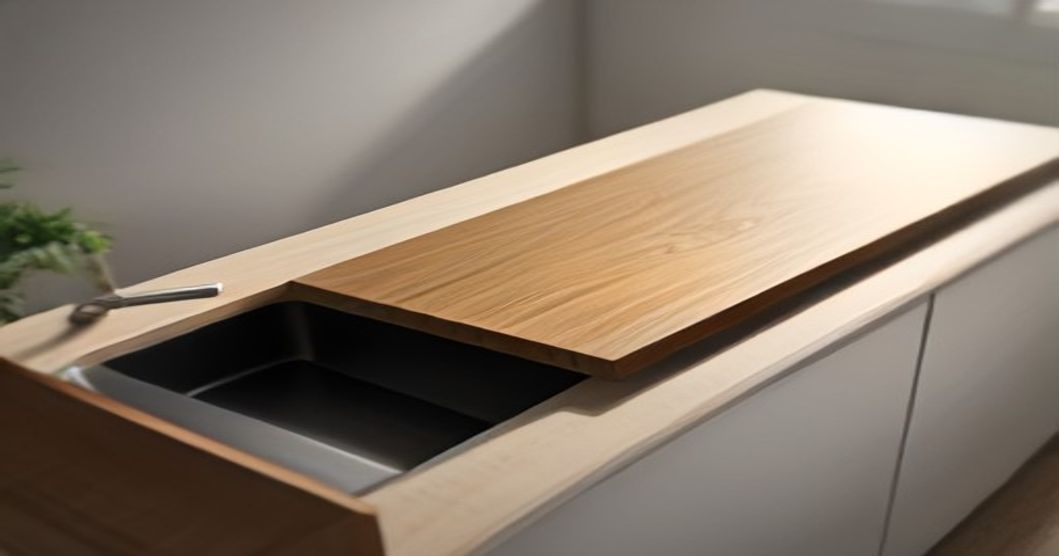
Last autumn, I decided to save sixty bucks and dye my hair at home. Everything was going splendidly—until I looked down at my crisp, off-white laminate countertop the next morning. Right next to the soap dispenser sat a pitch-black, dried-up splat of dark espresso hair dye. It looked like a permanent ink blot test staring back at me.
My instant gut reaction? Pure panic. I grabbed a harsh scouring pad and bleach spray, ready to scrub like crazy. Luckily, my roommate caught my wrist just in time. Bleach and abrasive scrubbers will wreck laminate faster than you can say 'renovation budget.'
Instead, we pulled out a humble box of baking soda from the pantry. Within twenty minutes, that horrifying black mark completely vanished. No scratches, no lost sheen, no ruined finish. If you are currently staring at a stubborn dye spot on your vanity, take a deep breath. Here is how you can lift it safely.
Why Laminate Countertops Demand a Gentle Touch
Laminate is fantastic. It is affordable, comes in stunning patterns, and holds up well against everyday spills. However, it has one major weakness: the clear protective layer fused onto the decorative paper underneath.
When you spill semi-permanent or permanent hair dye, those chemical color pigments penetrate deep into the microscopic pores of the top coat. If you use heavy-duty steel wool or harsh industrial solvents, you might remove the stain, but you will also rub away that protective seal. Once that seal is gone, your counter becomes dull, patchy, and twice as vulnerable to future stains.
That is why baking soda (sodium bicarbonate) is absolute magic here. It is mildly abrasive—just enough to dislodge bound pigments—without being hard enough to scratch the laminate's protective melamine resin layer. Plus, it is chemically alkaline, which helps break down organic dye bonds.
Pro-Tip: Never use acetone or pure nail polish remover on laminate counters unless it is an absolute last resort. Acetone can dissolve the resin glues holding the top layer together, leaving a permanent milky haze.
The Magic Formula: Making the Ultimate Baking Soda Paste
You do not need a chemistry degree for this. The secret lies in getting the texture just right. You want a thick, spreadable paste—think the consistency of toothpaste or soft frosting.
Here is what you will need:
- 3 tablespoons of arm & hammer baking soda
- 1 to 2 tablespoons of warm water (or hydrogen peroxide for extra lifting power)
- 2 drops of gentle dish soap (like Dawn)
- A soft microfiber cloth or sponge
- Plastic wrap (optional, but a game changer for old stains)
Mix the baking soda and dish soap in a small bowl. Slowly trickle in warm water while stirring with a spoon until it forms a creamy, non-runny paste. If it is too watery, add another pinch of baking soda.
Step-by-Step: Removing That Stubborn Hair Dye Stain
Take your time with these steps. Patience does 90% of the heavy lifting here so your arm muscles do not have to.
Step 1: Clean the Surface First
Wipe away any dust, loose dried dye flakes, or toothpaste splatters around the stain using a wet rag. You want your baking soda paste to contact the stained area directly.
Step 2: Slather on the Paste Generously
Scoop a generous dollop of your baking soda paste and lay it directly over the dye stain. Make sure the paste covers the mark completely, extending about a quarter-inch past the edges. Do not rub it in yet!
Step 3: Let Time Do the Work
Leave the paste alone for at least 15 to 30 minutes. If the dye has been sitting dried on your counter for days, cover the paste with a small piece of plastic wrap. This prevents the baking soda from drying out too quickly, keeping the active lifting process going.
Step 4: Gentle Circular Scrubbing
Once the wait time is up, wet a soft microfiber cloth with warm water. Press your fingertips onto the cloth and rub the paste over the stain using gentle, circular motions. Think of it like polishing a delicate shoe—no intense elbow grease required!
Step 5: Rinse and Inspect
Wipe the slurry away with a clean, damp cloth. Dry the spot thoroughly with a towel to evaluate your progress. Is the stain partially gone? Repeat the process one more time. Dried dyes often come off in layers.
My Personal Rule of Thumb: Two gentle 15-minute treatments will always yield better results for your countertop's longevity than one aggressive, scratchy scrubbing session.
What to Do If the Stain Is Extra Stubborn
Sometimes, dark red or jet-black box dyes leave behind a faint ghost mark even after baking soda work. Do not panic; we have a safe backup plan.
Instead of mixing your baking soda with water, swap the water out for 3% hydrogen peroxide (the standard bottle from your local pharmacy). Hydrogen peroxide acts as a mild, color-safe bleaching agent that reacts with baking soda to oxidize stubborn dye molecules without attacking the plastic laminate coat.
Apply the peroxide-baking soda paste, let it sit for 20 minutes, and wipe clean. I used this tweak when my sister left magenta hair dye on my white counters, and it lifted the stubborn pink outline effortlessly.
Frequently Asked Questions
Can baking soda scratch my laminate countertop?
No, as long as you use a soft cloth and gentle pressure. Baking soda has a very low Mohs hardness rating (around 2.5), making it much softer than the protective top coat of laminate surfaces.
How long can I safely leave baking soda paste on laminate?
You can safely leave it on for up to 1 hour. Because baking soda is non-corrosive, it won't eat into your counters like harsh acids or concentrated bleach will.
What should I avoid using on dried hair dye stains?
Avoid steel wool, magic erasers (which are micro-abrasives that work like fine sandpaper), straight chlorine bleach, and pure acetone. These might remove the dye, but they will dull or permanently damage your countertop finish.
Wrapping It Up
Home hair dyeing adventures don't have to end in ruined bathroom vanities or lost apartment security deposits. The next time a stray drop of dye sneaks past your old towels, skip the chemical panic clean. Grab that yellow box of baking soda, mix up a quick paste, and let simple physics do the job for you.
Have you tried this trick, or do you have another secret safe cleaner for laminate counters? Drop your thoughts in the comments below—I'd love to hear your home-remedy success stories!
By the ReadyTips Team
We research, test, and write practical guides so you don't have to figure things out the hard way. Every article is reviewed by hand before publishing.