How to Remove Light Rust from Cast Iron with Vinegar (Without Damaging Seasoning)
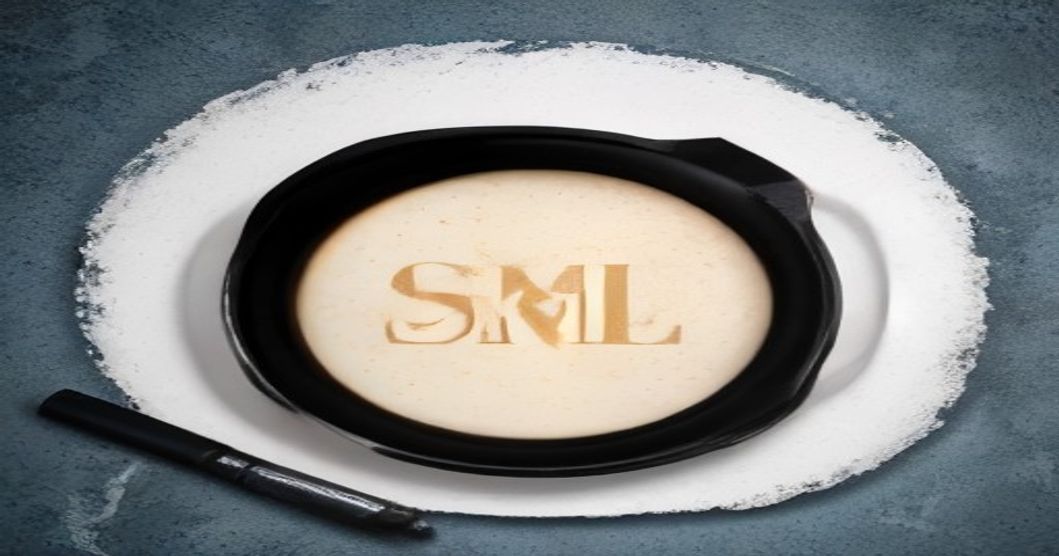
Last summer, I made the ultimate cast iron mistake. I was so tired after a late Sunday steak dinner that I left my vintage 10-inch Lodge skillet resting in a wet sink overnight. When I woke up the next morning, my stomach dropped. There it was—a bright, ugly streak of orange surface rust right along the interior edge.
If you own cast iron, you probably know that instant panic. You spent months building up that slick, glassy non-stick seasoning, and now you are terrified you will have to strip the whole pan down to bare gray metal just to clear a tiny rust spot.
I have good news for you: you don't need to restart from scratch.
Over the years, after working with dozens of thrifted and neglected pans, I've perfected a quick spot-treatment technique using basic white vinegar. It gets rid of light surface rust in under fifteen minutes while keeping 95% of your hard-earned seasoning completely intact. Let me walk you through exactly how I do it.
Why Vinegar Works (And Why You Must Be Careful)
Vinegar is essentially diluted acetic acid. Acid is magic when it comes to dissolving iron oxide (rust). It breaks down the bond between the rust and the iron underneath faster than you can scrub with elbow grease alone.
However, there is a catch.
Acid doesn't know when to stop. If you submerge your pan in pure vinegar for hours, it will gladly eat away at your seasoned polymer layers and eventually pit the raw metal itself. That is why the common internet advice telling you to soak your skillet overnight in vinegar is disastrous for light rust.
For small spots, we aren't doing a full tank soak. We are using a surgical, targeted approach.
The Difference Between Light Rust and Deep Damage
Before grabbing your bottle of vinegar, check what kind of rust you are dealing with:
- Light Surface Rust: Flaky or powdered orange-red dust sitting on top of the surface. You can usually wipe off a tiny bit with a paper towel.
- Deep Structural Rust: Dark brown or black crust with noticeable pitting or bubbling beneath old seasoning layers.
If it is light surface rust, this quick method is perfect. If your pan looks like it was rescued from the bottom of the ocean, you will need a full lye or long vinegar bath restoration.
What You Need Before Starting
You don't need fancy restoration tools. Check your pantry; you likely have everything right now:
- Distilled White Vinegar (standard 5% acidity)
- Warm Water (for diluting)
- Fine Steel Wool (Grade 0000) or a stiff nylon brush (avoid coarse steel wool if you want to protect your seasoning layer)
- Mild Dish Soap (yes, dish soap is totally fine for cast iron, despite the old myth!)
- High Smoke-Point Oil (Grapeseed oil, canola oil, or Crisco work best)
- Clean Cotton Cloth or Paper Towels
Pro Tip: Never use regular coarse steel wool or abrasive metal chainmail when removing light rust from a seasoned pan. Fine 0000 grade steel wool acts like fine-grit sandpaper—it lifts rust off without chewing through your seasoning base.
Step-by-Step: The Targeted Vinegar Spot Treatment
Follow these exact steps to clear the rust without destroying your seasoning.
1. Make Your Diluted Solution
Mix equal parts white vinegar and warm water in a small bowl (a 1:1 ratio). You don't need a gallon—just half a cup of each is usually enough for local spot treatment. Diluting the vinegar slows down the acid reaction, giving you total control.
2. Apply Directly to the Rust
Dip a clean rag or paper towel into your vinegar solution and press it directly onto the rusty spot. Let it sit there for about 5 to 10 minutes.
If the rust is on the bottom exterior of the pan, prop the pan up so the damp towel stays resting over the affected area. Do not let it sit longer than 15 minutes; you want to loosen the rust, not soak the metal underneath.
3. Scrub Gently
Remove the damp towel. Take your 0000 fine steel wool or stiff nylon brush, dip it into the vinegar mixture, and scrub the rusty spot using small, gentle circular motions.
You will see the orange rust turn into a muddy brown paste. Keep your pressure light. Work strictly on the rusted area so you don't unnecessarily abrade the surrounding black seasoning.
4. Wash Instantly with Soap and Cold Water
As soon as the orange color vanishes, run the pan under cold water immediately. Add a drop of mild dish soap and scrub the whole pan briefly.
The soap and cold water stop the chemical reaction of the acid instantly. If you skip this step, leftover acid will cause flash rust—that annoying orange film that appears within seconds of drying raw iron.
5. Thorough Drying is Non-Negotiable
Towel-dry the pan completely. Then, set your pan on your stovetop over low heat for 3 to 5 minutes. Watch the remaining moisture evaporate. Heat is the only way to guarantee zero moisture remains hidden in microscopic pores.
6. Touch-Up Seasoning
While the pan is warm to the touch, dab a dime-sized amount of grapeseed oil or Crisco onto a paper towel. Rub it across the entire surface of the pan, paying special attention to the spot you just cleaned.
Take a second fresh paper towel and wipe away all visible oil until the pan looks completely matte and dry. You want a microscopic layer of oil, not a greasy pool. Heat the pan on medium heat for another 10 minutes until it just starts to whisper smoke, then turn off the burner and let it cool.
How to Keep Rust from Returning
Once you get your pan looking gorgeous again, a few daily habits will ensure you never have to deal with vinegar treatments again:
- Never air-dry cast iron: Always dry with a towel and finish on a warm burner.
- Oil after every wash: A micro-thin layer of cooking oil acts as a barrier shield between raw iron and atmospheric humidity.
- Watch where you store it: Avoid storing pans near the sink, under the sink, or in damp cabinets.
Frequently Asked Questions
Will vinegar ruin my existing seasoning layer?
If you submerge a pan in vinegar for hours, yes—it will strip your seasoning completely. However, using a 1:1 diluted mixture for short 5-to-10-minute spot treatments will only lift the surface rust while leaving your cured oil layers intact underneath.
Can I use Apple Cider Vinegar instead of White Vinegar?
Yes, apple cider vinegar works because it contains acetic acid too. However, plain distilled white vinegar is preferred because it is cheaper, highly consistent in acidity, and won't leave behind any sugar residues or fruity smell.
What should I do if flash rust appears immediately after drying?
Flash rust happens when raw iron reacts with air and water right after cleaning. If you see an orange tint right after drying, simply rub a little oil over it immediately with a paper towel. The oil seals the metal and stops oxidation right away.
Final Thoughts
Cast iron pans are practically indestructible. It is easy to panic when you spot that first hint of orange, but remember: iron has been around for thousands of years, and a tiny spot of rust is just a minor bump in the road.
With a little vinegar, a fine scrubbing pad, and ten minutes of care, your pan will be back in action, ready to sear steak or fry eggs like nothing ever happened. Don't be afraid to use your cast iron—rust happens to all of us at some point!
Got any favorite cast iron revival tips of your own? Drop them in the comments below—I'd love to hear your experiences!
By the ReadyTips Team
We research, test, and write practical guides so you don't have to figure things out the hard way. Every article is reviewed by hand before publishing.