How to Remove Stubborn Water Rings from Marble Countertops Without Harsh Chemicals
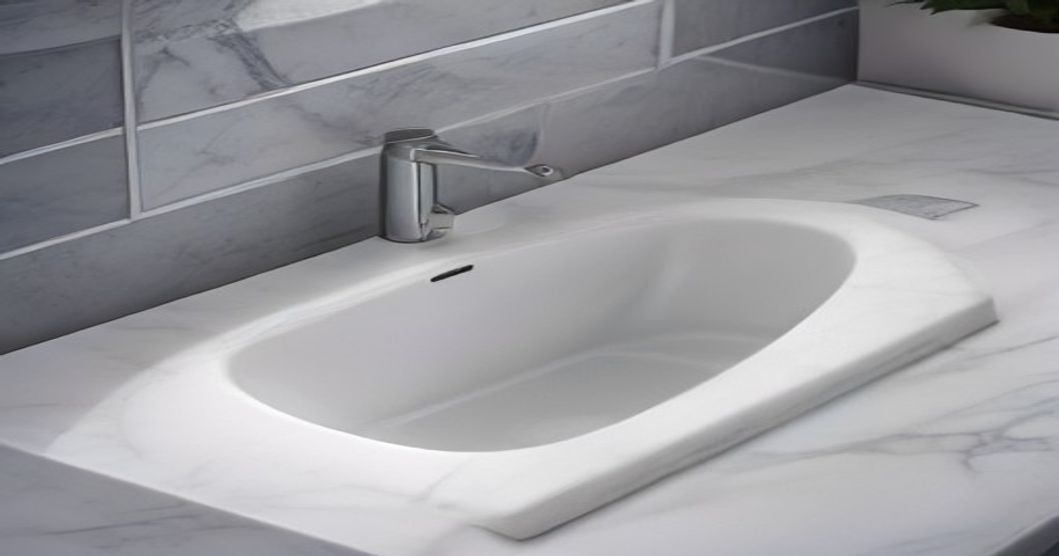
I still remember the panic that hit me last summer when I set my favorite coffee mug down on the kitchen island and walked away. A few minutes later, a hazy, whitish ring stared back at me from the marble surface. I’d spent years admiring that countertop, and suddenly it looked like a cheap laminate copy. I Googled “marble water ring fix” and was bombarded with recipes that called for bleach or strong acids. My gut told me there had to be a gentler way, especially because my family’s kids love to spill drinks.
Why Water Rings Appear on Marble
Marble is a calcium‑carbonate stone, which means it’s porous and reacts to acidic or alkaline liquids. When water sits on the surface, it evaporates, leaving behind mineral deposits—usually calcium, magnesium, or even a tiny bit of soap residue. Over time those deposits crystallize into the cloudy patches we call water rings. The more you let a spill linger, the deeper the etch becomes, and the harder it is to wipe away.
What NOT to Use (Harsh Chemicals)
Before we dive into solutions, let’s clear up the myths. Bleach, ammonia, vinegar, and commercial stone strippers sound powerful, but they can actually etch marble further or strip its protective seal. A single splash of vinegar can lower the pH enough to dissolve the polish, leaving the stone dull and more vulnerable to staining. In short, the “quick‑fix” chemicals often create a bigger problem than they solve.
Gentle, Effective Methods
Below are three household‑based techniques that have saved my countertops more than once. Pick the one that matches the severity of the ring and the supplies you already have.
Method 1: Baking Soda Poultice
A poultice is essentially a paste that draws out stains. Baking soda is mildly alkaline, which helps dissolve mineral deposits without attacking marble.
- Gather materials – ¼ cup baking soda, 2‑3 tsp water, a soft cloth, and a plastic wrap.
- Mix – Add water to the baking soda until you get a thick, toothpaste‑like consistency.
- Apply – Spread the paste over the water ring, covering it completely.
- Seal – Cover the poultice with plastic wrap and tape the edges so it stays moist.
- Wait – Let it sit for 12‑24 hours. The longer it sits, the more the minerals dissolve.
- Remove – Gently wipe away the dry paste with a damp microfiber cloth, then rinse the area with warm water and pat dry.
Method 2: Hydrogen Peroxide & Cornstarch
Hydrogen peroxide (3% solution) is a mild oxidizer that lifts stains without harsh abrasion. When mixed with cornstarch, it forms a paste that adheres well to the surface.
- Mix – Combine 2 tbsp cornstarch with enough hydrogen peroxide to make a spreadable gel.
- Apply – Smear the gel over the ring, then cover with a piece of wax paper.
- Secure – Tape the edges and let it sit for 4‑6 hours.
- Clean – Remove the paper, wipe the residue with a damp cloth, and rinse thoroughly.
- Buff – Use a dry microfiber towel to restore the natural shine.
Method 3: Rubbing Alcohol & Soft Cloth
For light rings that haven’t penetrated deep, rubbing alcohol can break down the surface film.
- Dampen – Pour a small amount of 70% isopropyl alcohol onto a soft, lint‑free cloth.
- Rub – Gently rub the ring in circular motions; avoid pressing hard.
- Rinse – After the ring fades, wipe the area with a water‑dampened cloth to remove alcohol residue.
- Dry – Pat dry with a clean towel.
Tip: Always test any poultice on an inconspicuous spot first. Marble can vary in porosity, and a small test prevents surprise discoloration.
Prevent Future Rings
Prevention is cheaper than remediation. Keep a coaster or silicone mat near the sink, wipe spills within a minute, and reseal your marble every 12‑18 months with a pH‑neutral sealant. My friend Jenna swears by a simple habit: she places a small “wet‑zone” tray next to the stove and never lets a glass sit directly on the stone.
FAQ
Q1: Can I use white vinegar to clean water rings? A: No. Vinegar’s acidity will etch marble further. Stick to the neutral or slightly alkaline solutions listed above.
Q2: How long does it usually take for a poultice to work? A: Most baking‑soda poultices need at least 12 hours. If the ring is particularly stubborn, give it a full 24‑hour cycle.
Q3: Will polishing the countertop restore its original shine after I remove the rings? A: Yes, but only after the stain is gone. Use a marble‑specific polishing powder or a professional refinishing service for the best results.
I’ve tried every method in this list on my own kitchen island, and each one has rescued a different type of ring. The next time a glass of iced tea leaves a ghostly circle, you now have a toolbox that won’t damage the stone or your wallet. Keep the marble looking museum‑grade, and enjoy the peace of mind that comes with knowing you don’t need a hazardous chemical cabinet to keep your home beautiful.
By the ReadyTips Team
We research, test, and write practical guides so you don't have to figure things out the hard way. Every article is reviewed by hand before publishing.