How to Unfreeze a Jammed Car Door Lock Instantly with Alcohol Hand Sanitizer
A Frosty Morning That Turned Into a DIY Victory
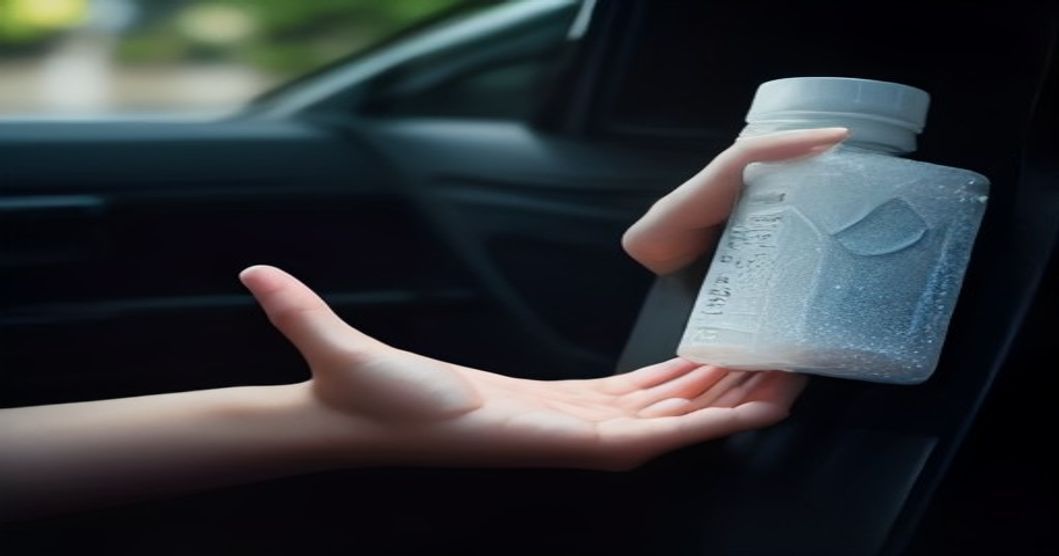
It was 6 a.m., the temperature had just nudged below zero, and I was already late for my Zoom call. I reached for my car keys, twisted the lock, and—nothing. The door was stubbornly sealed, as if the lock had decided to take a snow day. I stood there, shivering, cursing my luck, when I remembered the tiny bottle of hand sanitizer I always keep in my glove compartment. "Maybe that's the answer," I thought, half‑joking, half‑hopeful.
A few seconds later, I squeezed a generous amount of the gel onto the key, gave it a quick swipe on the lock, and—click! The door swung open as if it had never been frozen. I was amazed, and more importantly, I was back on the road before the coffee even cooled. That moment sparked a simple, inexpensive trick I now swear by every winter.
What Actually Happens When a Lock Freezes?
When water seeps into the tiny gaps of a lock and the temperature drops, the liquid turns into ice. Ice expands, pushing the pins and springs out of alignment. The result? A lock that feels solid as a brick. Most people reach for a hair dryer or a can of compressed air, but those solutions either take time, require electricity, or involve pricey gadgets you might never use again.
The good news is that the core problem—ice—can be melted with any high‑proof alcohol. Alcohol lowers the freezing point of water, causing the ice to melt instantly. Hand sanitizer typically contains 60‑70 % alcohol, which is enough to turn that frozen lock back to liquid in seconds.
Why Hand Sanitizer Works (And Why It’s Perfect for This Job)
- High alcohol content – Most gel sanitizers are formulated with ethyl or isopropyl alcohol, both excellent at breaking the bonds that hold ice together.
- Viscous enough to stay put – Unlike plain rubbing alcohol, the gel clings to the lock’s interior long enough to do its job.
- Widely available – You probably already have a bottle on your dashboard, in your purse, or at your desk.
- Safe for metal – The alcohol won’t corrode the lock mechanism the way some harsher chemicals might.
If you’ve ever used sanitizer to clean a phone screen, you know how quickly it evaporates, leaving no residue—perfect for a lock that needs to move freely.
Step‑by‑Step Rescue Using Alcohol Hand Sanitizer
- Gather your tools – A bottle of alcohol‑based hand sanitizer (at least 60 % alcohol) and the key that belongs to the jammed lock.
- Apply liberally – Squeeze a generous dollop of gel onto the key. You don’t need a precise amount; think "enough to coat the metal."
- Insert and turn – Place the key into the lock and give it a firm twist. The gel will seep into the lock’s internal chambers.
- Wait a heartbeat – You’ll feel the lock give way within 2‑5 seconds as the ice melts.
- Open the door – Pull the handle. If it still resists, repeat the process once more.
- Wipe away excess – Use a clean cloth or paper towel to remove any lingering gel, preventing it from attracting dust later.
Tip: Keep a small travel‑size sanitizer bottle in your glove compartment year‑round. It’s a lifesaver for frozen locks, but also handy for quick hand‑cleaning on the go.
Bonus Tips to Prevent Future Freeze‑Ups
Keep the Lock Dry
After you’ve unlocked the door, spray a light mist of silicone spray or a few drops of mineral oil on the key and lock. This creates a water‑repellent barrier that discourages moisture from seeping in.
Cover the Keyhole
A simple rubber key‑cover or a piece of electrical tape over the keyhole can shield it from snow and slush. Remove the cover before you need to use the key.
Warm Up the Car Before You Leave
If you have a remote start, let the engine run for a minute or two before you head out. Warm air circulates through the door panels, reducing the chance that the lock will freeze.
Frequently Asked Questions
Q1: Can I use regular rubbing alcohol instead of hand sanitizer? A: Absolutely. Rubbing alcohol (isopropyl) works just as well, but it’s less viscous, so you may need to apply a bit more and re‑apply quickly.
Q2: Will the sanitizer damage my car’s paint or interior? A: No. The gel is designed for skin contact, so it’s gentle on metal and plastic. Just avoid letting it sit on painted surfaces for an extended period.
Q3: My lock is still stuck after two attempts. What now? A: If the lock remains jammed, the ice may be deep inside. Try gently heating the key with a lighter for a few seconds (be careful not to burn yourself), then repeat the sanitizer method. If that fails, a professional locksmith may be needed.
Closing Thoughts: From Frustration to Fast Fix
That chilly morning taught me two things: never underestimate the power of a little hand sanitizer, and always keep a backup plan for winter emergencies. The next time you hear that dreaded "click‑nothing" sound from your car, you won’t need to call a tow truck or wait for a heater to warm up the cabin. Just reach for the gel, give your lock a quick massage, and you’ll be back on the road faster than you can say "frosty fingers."
I hope this simple hack saves you the same amount of time and stress it saved me. Stay warm, stay prepared, and happy driving!
By the ReadyTips Team
We research, test, and write practical guides so you don't have to figure things out the hard way. Every article is reviewed by hand before publishing.