Say Goodbye to Grease: A Simple, Chemical‑Free Way to Clean Ceramic Cookware
I still remember the night my favorite non‑stick skillet turned into a glossy, oily nightmare after a weekend of frying bacon for a brunch crowd. I stared at the stubborn streaks, grabbed the bottle of commercial degreaser, and thought, "There has to be a better way." A few weeks later, after a long chat with my roommate Maya—who swears by vinegar and baking soda—I finally nailed a method that uses only pantry staples and a little elbow grease. If you’ve ever felt the same frustration, keep reading. This is the exact routine that rescued my pans and saved me a small fortune on pricey cleaners.
Why Grease Stains Stick Around
The science behind it
Ceramic cookware is praised for its even heat distribution, but the very glaze that makes it beautiful also loves to cling to oil molecules. When oil is heated past its smoke point, it polymerizes—essentially turning into a thin, plastic‑like film that bonds to the surface. Once that film hardens, ordinary soap and water just glide right over it, leaving the stain untouched.
Gather Your Kitchen Arsenal
Before you dive in, make sure you have these items within arm's reach:
- White distilled vinegar (the cheap kind works fine)
- Baking soda
- A soft non‑abrasive sponge or microfiber cloth
- A small saucepan
- A wooden spoon or silicone spatula
- Optional: a few drops of lemon essential oil for a fresh scent
Having everything pre‑measured saves you from the dreaded “I’m missing something” panic that usually interrupts a cleaning marathon.
Step‑by‑Step: The No‑Chemical Clean
- Create a vinegar soak – Fill the saucepan with enough water to submerge the stained area, then add 1 cup of white vinegar. Bring it to a gentle simmer for 5 minutes. The mild acidity begins to loosen the polymerized oil.
- Cool and dump – Turn off the heat, let the liquid cool for a minute, then carefully pour it out. You’ll notice a faint sheen on the surface; that’s the first sign of the grease breaking down.
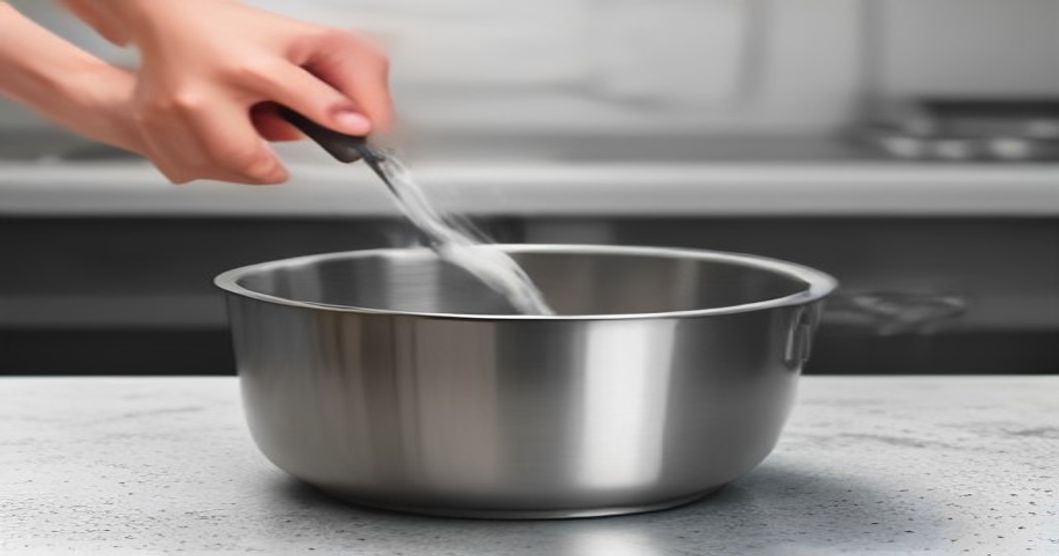
- Sprinkle baking soda – While the cookware is still warm, liberally dust the stained spots with baking soda. The gentle abrasive action works like a micro‑scrub without scratching the glaze.
- Massage with a sponge – Using a soft sponge, rub the baking soda in circular motions. You’ll feel a slight fizz as the vinegar residue reacts with the soda—this is exactly the chemistry we want.
- Rinse thoroughly – Rinse the piece under warm running water, making sure all powder is washed away. If any grayish film remains, repeat steps 3‑4 once more.
- Dry and polish – Pat the cookware dry with a clean towel, then give it a quick polish using a dab of olive oil on a microfiber cloth. The oil adds a protective layer and restores the ceramic’s natural shine.
Tip: For especially stubborn spots, let a paste of baking soda and a splash of vinegar sit for 10‑15 minutes before scrubbing. The extra dwell time gives the reaction more opportunity to lift the grease.
Prevent Future Grease Build‑Up
Cook at the right temperature
Most grease problems start when we crank the heat too high. Once the oil reaches its smoke point, it starts to polymerize. Keep the burner on medium‑low for most sautéing tasks; you’ll waste less oil and your pans will stay cleaner longer.
Use a splatter guard
A simple silicone lid or mesh guard catches most of the oil droplets before they settle on the surface. It’s a cheap habit that pays off after a few weeks.
Clean immediately after cooking
A quick rinse with warm water and a dab of dish soap right after you finish cooking prevents the grease from hardening. You’ll spend seconds now instead of minutes later.
Frequently Asked Questions
Q1: Can I use lemon juice instead of vinegar? A: Absolutely. Lemon juice has a similar acidity level, and it adds a pleasant citrus scent. Just substitute it 1:1 for the vinegar.
Q2: Is this method safe for non‑stick ceramic coatings? A: Yes. The ingredients are non‑abrasive and the temperature never exceeds a gentle simmer, which protects the coating.
Q3: What if the grease stain is inside a deep pot? A: Fill the pot with the vinegar‑water mixture so the liquid covers the stain, then follow the same steps. For very deep pots, you might need to let the soak sit for an extra 5 minutes before draining.
I still get a tiny thrill every time I pull a once‑greasy skillet out of the sink and see it sparkle like new. It reminds me that a little science and a lot of curiosity can replace a whole shelf of expensive cleaners. Next time you’re faced with a greasy nightmare, give this method a try—you’ll save money, reduce chemical exposure, and maybe even start a new kitchen ritual. Happy cooking, and may your pans stay as clean as your conscience.
By the ReadyTips Team
We research, test, and write practical guides so you don't have to figure things out the hard way. Every article is reviewed by hand before publishing.