How to Fix Water-Repellent Hydrophobic Soil in Potted Plants (The Liquid Dish Soap Trick)
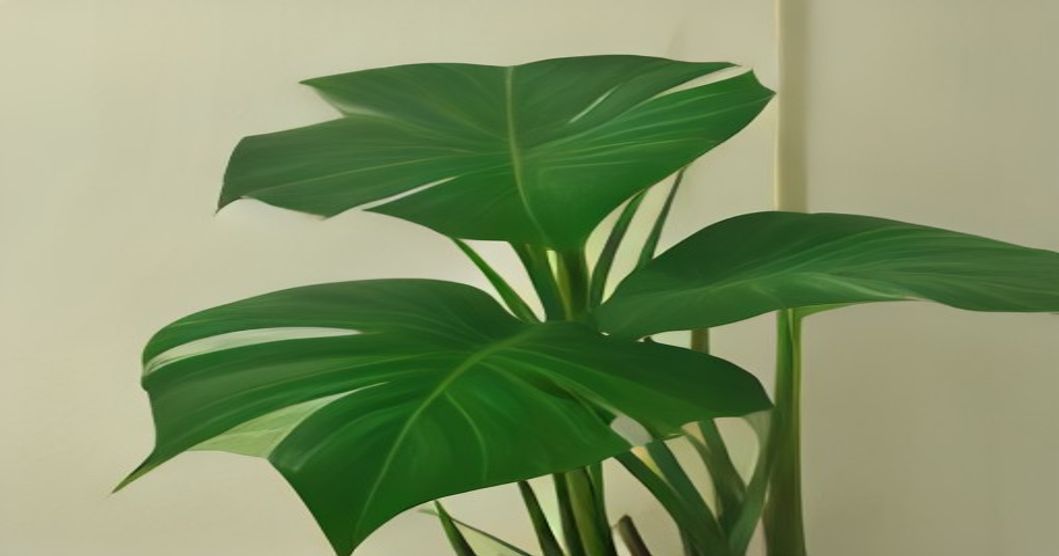
Last summer, my beloved Monstera deliciosa—whom I affectionately call Monty—was looking pitifully droopy. I did what any concerned plant parent would do: grabbed my watering can and gave him a generous pour. But instead of watching the dark potting mix drink up that sweet hydration, something maddening happened. The water sat on top like liquid mercury, slid around the edges, and gushed straight down the inside of the pot out into the saucer.
The core of the soil remained bone-dry. I poked my finger an inch down, and sure enough, it felt like dry dust. My soil had gone completely hydrophobic.
If you have ever felt utter betrayal watching water bounce off soil like rain off a freshly waxed car, welcome to the club. Don't throw away that plant or rush out to buy expensive fresh soil just yet. A simple bottle of basic liquid dish soap sitting right by your kitchen sink can fix this problem in under twenty minutes.
Why Is Your Soil Rejecting Water Like a Bad First Date?
Before we jump into the fix, it helps to understand why this happens in the first place. Most commercial potting mixes rely heavily on peat moss or coconut coir. These materials are fantastic at holding moisture once they are already damp. However, when you forget to water for a few weeks—or when ambient indoor air gets extra dry during winter—peat moss shrinks and forms a waxy organic coating as it dehydrates completely.
That waxy layer literally repels water molecules. High surface tension keeps the water clustered together in droplets rather than spreading out into the microscopic crevices of the soil fibers.
When you pour water on hydrophobic soil, it takes the path of least resistance. It travels down the gap created between the shrunken soil block and the plastic wall of your pot. You think you've watered your plant because water ran out the bottom, but the roots inside are essentially suffocating in a desert.
The Secret Weapon: Why Plain Liquid Dish Soap Actually Works
When my plant-savvy neighbor first told me to put dish soap in my potted plants, I thought she was joking. Won't soap kill the roots? Won't it turn my parlor palm into a bubble bath?
Turns out, science was on her side. Dish soap acts as a surfactant—short for surface-active agent. Surfactant molecules have a hydrophilic (water-loving) head and a hydrophobic (water-repelling) tail.
How Surfactants Magic Away Hydrophobia
When you dilute a tiny bit of dish soap into water and pour it onto dry soil, the soap breaks the surface tension of the water. It forces the water droplets to flatten out and breach that waxy, impenetrable barrier on the peat moss. Instead of rolling off, the liquid penetrates deep into the soil structure, allowing the dried organic material to soften up and start absorbing water like a sponge again.
Step-by-Step: The Liquid Dish Soap Soak Method
Ready to save your dry plants? Here is the exact routine I use whenever one of my indoor pots decides to throw a hydrophobic tantrum.
- Choose the Right Soap: Grab a mild, liquid dish soap. Plain blue Dawn or standard Palmolive work wonderfully. Avoid harsh heavy-duty degreasers, concentrated formulations with strong artificial fragrances, or anything containing bleach or antibacterial agents.
- Mix the Soap Solution: Fill a gallon jug with lukewarm water. Add just 1/2 teaspoon of liquid dish soap. You do not want a thick, sudsy mess; you just need enough to subtly break the water's surface tension. Stir or shake gently.
- Poke Air Holes: Take a wooden chopstick or pencil and gently poke a few holes deep into the top layer of dry soil. Be careful around the main root ball! This creates pathways for the soap solution to reach the center.
- Apply via Bottom Watering (Preferred): Place your potted plant inside a large bucket or sink basin filled with a few inches of your soap water solution. Let the pot sit there for 30 to 40 minutes so it can wick the moisture upward.
- Top Flush: If bottom watering isn't practical because your planter is huge, slowly pour the soapy mix over the top surface until it begins trickling out the drainage holes. Let it sit for 15 minutes, then pour another small dose of plain water over the top.
- Drain Thoroughly: Allow all excess water to drain out completely. Never let your plant sit in standing water once the soil is fully saturated.
Pro-Tip: If your potting soil has shrunken so much that there is a massive gap between the dirt and the inner pot wall, squeeze the sides of the plastic pot gently before watering to break up the hard compaction, or fill the gap with a tiny bit of fresh soil.
Keeping Your Potting Mix Soft and Hydrated
Once you have successfully rehydrated your hydrophobic plant soil, you want to keep it that way so you don't have to repeat this process every month.
Maintain a Consistent Schedule
The easiest way to prevent hydrophobia is simply not letting the soil dry out to the point of turning rock hard. Use a moisture meter or the classic finger-test to catch plants before they hit emergency levels of dryness.
Add Organic Compost or Worm Castings
Top-dressing your pots with a thin layer of worm castings or rich compost twice a year adds beneficial micro-organisms and improves soil texture. Healthy, biologically active soil holds onto moisture much better than dead, exhausted peat moss.
Frequently Asked Questions
Will liquid dish soap hurt my plant's roots or kill good bacteria?
At the extremely diluted ratio recommended here (1/2 teaspoon per gallon), standard liquid dish soap is completely safe for almost all indoor houseplants. It acts purely as a wetting agent. Just avoid using industrial detergents or high-strength dishwashing machine soaps.
Can I use this soap trick on outdoor garden beds?
Yes! Hydrophobic soil happens in garden beds and lawn patches too, especially during summer heatwaves. You can apply a similar diluted soap mixture using a garden hose sprayer attachment or a large watering can to help dry garden beds absorb deep irrigation.
How often can I use dish soap on my plants?
You shouldn't need to do this very often. Treat the dish soap method as an emergency rescue technique rather than a weekly routine. Once or twice a season during extreme dry spells is more than enough.
Final Thoughts from My Jungle to Yours
After applying this simple dish soap solution to Monty the Monstera, he perked up within 24 hours. The soil was once again soft, dark, and holding onto moisture the way it was supposed to. It felt like a small magic trick, but it was really just basic chemistry working in our favor.
Next time you notice water running right off your houseplant's soil, don't panic. Head to your kitchen, grab your dish soap, and give this easy trick a shot. Your plants will definitely thank you for it!
By the ReadyTips Team
We research, test, and write practical guides so you don't have to figure things out the hard way. Every article is reviewed by hand before publishing.