How to Fix a Leaning Monstera Stem Using Wooden Chopsticks (Without Buying a Moss Pole)
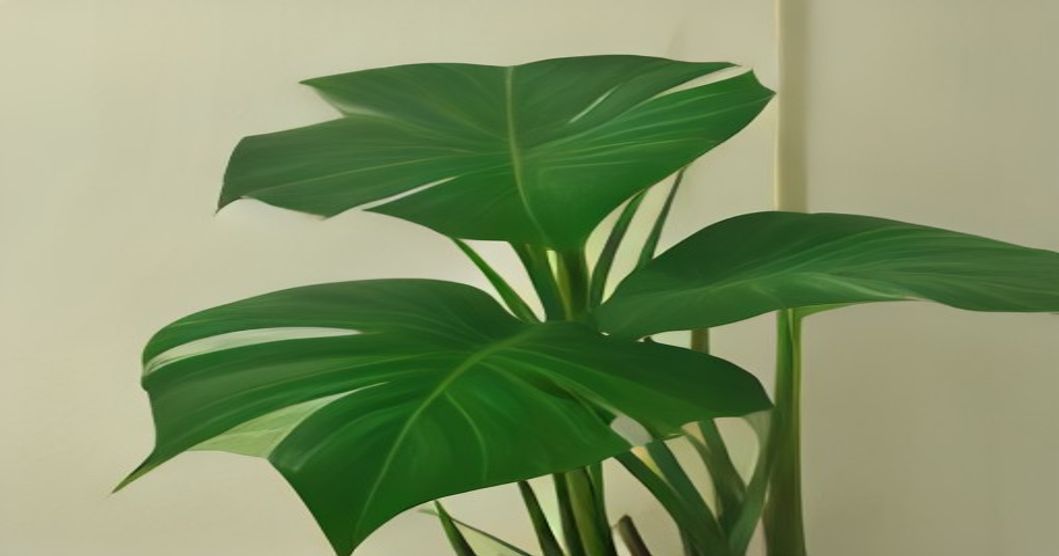
Last Tuesday morning, I walked into my living room with a fresh cup of coffee, only to find my young Monstera deliciosa doing a dramatic trust fall off the side of the pot. One heavy stem was leaning at a nerve-wracking 45-degree angle toward the window, looking like it had completely given up on holding itself erect.
My initial instinct was to run to the nearest plant shop and drop $20 on a chunky coconut coir moss pole. But looking at my modest 6-inch pot, a heavy moss pole felt completely absurd. It would have top-crushed the delicate root system. Then I glanced over at my kitchen counter, spotted a leftover pair of takeout wooden chopsticks, and had an epiphany.
Two months later, my Monstera is standing tall, pushing out a gorgeous new fenestrated leaf, and I didn't spend a single cent. If your plant is slumping over and you aren't ready for a full moss pole setup, here is exact step-by-step method I used to prop it up.
Why Your Monstera Starts Leaning (And Why You Don't Need a Moss Pole Yet)
In the wild, Monsteras are natural climbers. They use thick aerial roots to scale massive tropical trees in search of sunlight. When we grow them indoors in plastic pots, they lack that natural trunk to lean on. Naturally, as their leaves grow heavy, gravity wins.
Most plant influencers will tell you that the only solution is buying a moss pole immediately. I disagree. Moss poles are fantastic, but for young, juvenile Monsteras with thin stems, they are often total overkill. They take up half the pot space and force you to disturb young roots to shove a thick wooden stake into the soil.
Wooden chopsticks or bamboo skewers offer the perfect temporary scaffold. They are sturdy, thin enough to avoid root damage, and practically invisible once tucked under the foliage.
What You Need for This Quick DIY Fix
Before you dive into your soil, grab these basic household items:
- 1 or 2 wooden chopsticks (the plain bamboo ones from takeout work best because they are rot-resistant).
- Soft plant ties (green garden wire, soft yarn, strips of an old cotton T-shirt, or velcro plant tape).
- Rubbing alcohol or hand sanitizer (to disinfect the chopsticks).
- A pair of scissors.
Please don't use thin rubber bands or nylon string. I made the mistake of using tight plastic string years ago on a pothos, and it bit right into the stem as the plant grew, cutting off water flow. Stick to soft materials.
Step-by-Step: How to Stake Your Leaning Monstera
Take your time with this process. Plant stems are flexible, but forcing a bent stem straight too fast can snap it clean off.
- Find the front and back of your Monstera. Monsteras have a clear front (where leaves face the light) and back (where aerial roots emerge). Always place your stake behind the stem, near the aerial roots.
- Sanitize your wooden chopstick. Wipe the chopstick down with rubbing alcohol to prevent introducing bacteria or mold into the soil.
- Locate the root insertion point. Feel gently around the base of the leaning stem with your fingers. Find a spot in the soil about 1 inch away from the main stem where you won't crush major roots.
- Insert the chopstick slowly. Push the thicker end of the chopstick straight down into the soil. Twist it gently as you push. If you hit resistance, don't force it—back out slightly, shift half an inch, and try again until it feels secure near the bottom of the pot.
- Secure the stem loosely. Wrap your soft plant tie around the chopstick first, then loop it around the heavy stem just below a leaf node. Tie a loose figure-eight knot. This creates a cushion between the wood and the plant skin.
Pro Tip: Never pull a bent stem completely upright on day one! If your Monstera stem is stiff, pull it slightly straight, tie it, and wait three days. Then tighten the tie just a bit more. Gradually training the plant prevents stem breakage.
Essential Aftercare to Keep It Standing Tall
Staking your plant is only half the battle. If you don't adjust its growing environment, that stem will keep trying to flop right back over.
Rotating for Even Sun Exposure
Monsteras lean because they are reaching for light. If your pot sits in a corner where light only comes from the right, the plant will naturally grow lopsided toward that window. Rotate your pot a quarter-turn every time you water it. This encourages the stems to grow balanced and straight upwards toward overhead light.
Knowing When to Graduate to a Moss Pole
Your chopstick setup isn't forever. It is a bridge solution for young plants. I usually keep my chopsticks in place for 4 to 6 months. Once your plant reaches about 18 inches tall or develops thick, heavy mature leaves, the chopstick will start bending under the weight. That is your cue to upgrade to a sturdy moss pole, cedar plank, or trellis during your next spring repotting session.
Frequently Asked Questions
Won't wooden chopsticks rot inside wet soil?
Eventually, yes. Untreated wood will soften after 4 to 6 months of moist soil exposure. However, bamboo chopsticks are surprisingly water-resistant and hold up plenty long enough to support your plant while it stabilizes or until your next repotting season.
Can I glue two chopsticks together for taller stems?
I wouldn't recommend it. Glue can fail when exposed to soil moisture. If your stem is taller than a single chopstick, swap it out for a long bamboo BBQ skewer or a thin wooden garden stake instead.
My leaf node is right at soil level. Where do I tie?
Always tie your support strip right below a node (the small bump where the leaf stem meets the main stem). The node acts as a natural anchor point so your tie won't slide down the stem.
Give Your Monstera a Little Support Today
Plant care doesn't need to be expensive or complicated. Next time your Monstera starts slumping over like a dramatic teenager, skip the online shopping cart and head straight for your kitchen drawers. A pair of humble chopsticks and ten minutes of care are usually all it takes to turn a floppy plant into a proud living centerpiece.
Give this quick hack a shot this weekend, and let your green buddy stand tall again!
By the ReadyTips Team
We research, test, and write practical guides so you don't have to figure things out the hard way. Every article is reviewed by hand before publishing.