How I Stopped Mosquito Larvae in My Bird Bath Using Plain Vegetable Oil
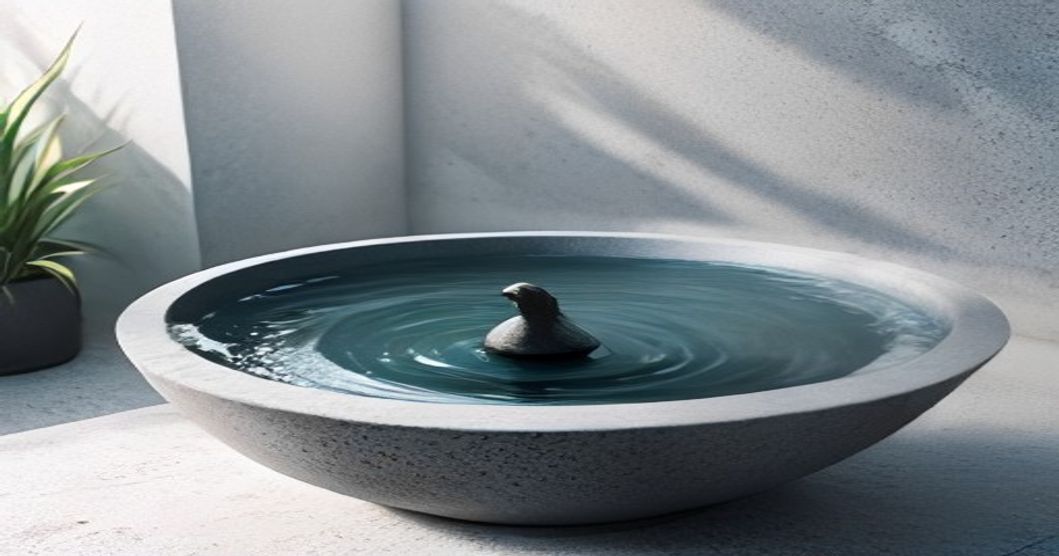
Last July, sitting on my back porch with a cold glass of lemonade, I noticed something horrifying. My beautiful concrete bird bath—the one I scored at a garage sale for fifteen bucks—was practically shimmering. Not from the afternoon sun, but from thousands of squiggly little mosquito larvae doing backflips in the water.
I panicked. I love watching the local blue jays and robins take their afternoon splash, but I certainly didn't sign up to raise a blood-sucking army in my own backyard. A fellow gardener friend suggested dropping a bit of vegetable oil into the water. My initial reaction? Complete skepticism. Wouldn't oil make a slimy mess? Would it ruin the birds' feathers?
After digging into the science, testing it out myself, and tweaking the method over several months, I found out it actually works brilliantly—if you do it right. Here is everything you need to know about using vegetable oil to keep your bird bath mosquito-free without turning off your feathered visitors.
Why Mosquitoes Love Your Bird Bath (and Why It Matters)
Mosquitoes are lazy parents. They look for shallow, still water with minimal current where their eggs can sit undisturbed. A quiet bird bath sitting under an oak tree is basically a five-star resort for a female mosquito looking to lay up to 300 eggs at a time.
Under warm summer weather, those eggs hatch into swimming larvae (often called "wrigglers") in as little as 24 to 48 hours. Within a week, you have a fresh swarm ready to ruin your backyard barbecues.
Beyond the sheer annoyance of itchy bites, mosquitoes carry nasty stuff like West Nile virus. If you enjoy spending time in your yard like I do, letting your bird bath turn into a breeding ground just isn't an option. dump-and-scrub routine every two days is ideal, but let's be honest: life gets busy, and sometimes you forget.
The Science: How Vegetable Oil Suffocates Larvae
Mosquito larvae don't breathe underwater like fish. They hang upside down from the surface film of the water, breathing air through tiny tubes called siphons.
When you add a tiny amount of vegetable oil to the water, it spreads out to form an ultra-thin film across the surface. This thin layer does two things simultaneously:
- Breaks surface tension: The larvae can't latch onto the surface to hang upside down.
- Blocks oxygen: The oil creates a barrier that cuts off their air supply, suffocating the larvae in a matter of hours.
It is simple physics and biology working together. No harsh synthetic chemicals, no expensive electric pumps, just a basic kitchen staple doing the heavy lifting.
Is Vegetable Oil Really Safe for Birds?
This was my biggest concern. Bird feathers are intricate marvels of engineering designed to keep birds warm and dry. If feathers get coated in thick grease, birds lose their waterproofing and insulation.
Here is the secret: dosage and oil type matter.
You are not frying chicken here; you are creating a microscopic film. A couple of drops of food-grade vegetable oil (like canola, sunflower, or soybean oil) floating on top of gallons of fresh water will not harm visiting birds. When a bird dips in to bathe, the tiny film disperses easily without clinging heavily to their plumage, especially if you stick to strict, tiny measurements.
Step-by-Step: How to Apply Vegetable Oil Safely
To get the best results without creating a greasy mess, follow these exact steps I use every week during peak mosquito season.
- Start with a clean slate: Empty your bird bath completely. Give it a quick scrub with a stiff brush to clear out algae and dirt, then rinse thoroughly.
- Fill with fresh tap water: Fill the basin near the brim as you normally would.
- Add the oil sparingly: Add 1 to 3 drops of standard vegetable oil for a typical bird bath (around 1 to 2 gallons of water). If you have a massive, deep fountain, you might need half a teaspoon, but start small.
- Let it spread: Watch the oil naturally spread out across the water surface. You shouldn't see thick yellow globs floating around; it should just look like a smooth, glass-like sheet.
- Dump and refresh weekly: Vegetable oil is organic, which means it eventually breaks down and can turn rancid in high heat. Refresh the basin every 5 to 7 days.
Pro Tip: Avoid using strong-smelling oils like unrefined extra virgin olive oil or toasted sesame oil. Stick to neutral, food-grade oils like canola or vegetable oil. They don't attract unwanted insects or critters with heavy scents.
3 Common Mistakes You Must Avoid
Over the past two summers of experimenting with this trick, I have made a couple of minor blunders. Learn from my mistakes so you don't repeat them!
- Pouring with a heavy hand: More is not better. Pouring a quarter cup of oil into your bird bath will turn it into a sticky trap that ruins bird feathers and attracts flies. Stick strictly to drops.
- Leaving the water for weeks: The oil breaks down, algae will build up under the surface, and dust will create a dirty film. You still need to flush out the water once a week.
- Using motor oil or mineral oil: Never, ever use non-edible oils. Motor oil is toxic, and petroleum-based mineral oils can cause serious health issues for wild birds.
Frequently Asked Questions
Will vegetable oil attract wasps or raccoons?
In my experience, neutral oils like canola or basic soybean oil don't attract pests because they lack strong sweet or meaty odors. However, if you use sweet oils like coconut oil or nut-based oils, you might attract yellowjackets or ants.
What about Mosquito Dunks instead of oil?
Mosquito Dunks (which contain Bacillus thuringiensis israelensis, or BTI) are fantastic, completely bird-safe biological controls. I actually use Dunks in my larger pond! But for small bird baths, a drop of vegetable oil is a great zero-cost alternative if you already have cooking oil in your pantry.
Can I use coconut oil instead of liquid vegetable oil?
I don't recommend standard coconut oil because it solidifies at temperatures below 76°F (24°C). Solid floating chunks of fat won't form the continuous thin surface film needed to stop larvae from breathing, and it makes cleaning the bath a nightmare.
Wrapping It Up
Backyard bird watching is one of life's simplest pleasures, but dealing with mosquito bites certainly isn't. Taking back control of your yard doesn't require toxic chemicals or expensive gadgets.
Next time you refill your bird bath, grab that bottle of canola oil from your pantry and add a single drop. You will keep the mosquito population in check, save a few bucks, and keep your local birds happy, clean, and hydrated all summer long. Happy birding!
By the ReadyTips Team
We research, test, and write practical guides so you don't have to figure things out the hard way. Every article is reviewed by hand before publishing.