How to Remove Hard Water Stains from Textured Glass Shower Doors Without Chemicals
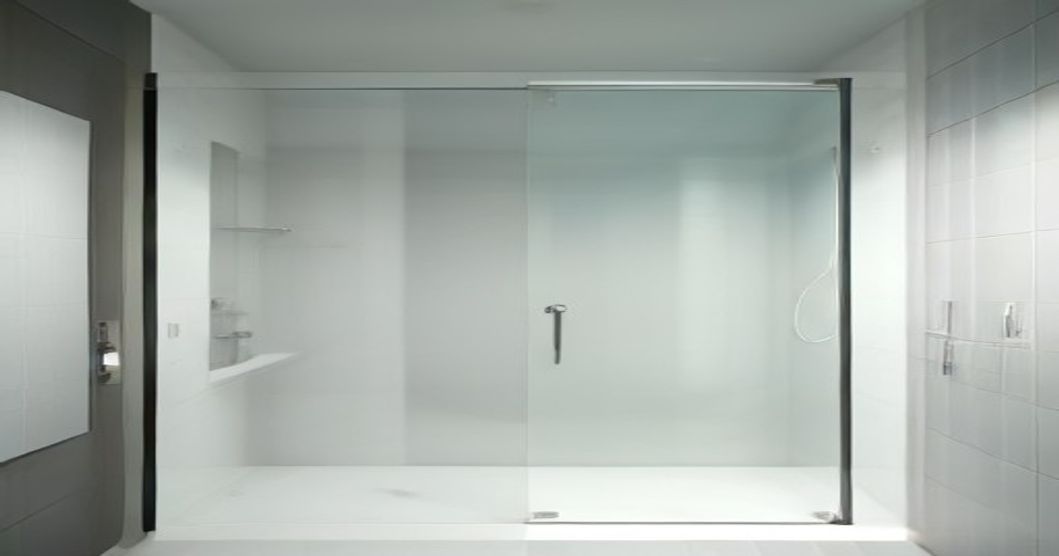
A Shower Door That Looked Like a Foggy Mirror
I still remember the morning I slipped into the shower and caught a glimpse of my own reflection smeared across the glass. The textured panels that usually added a spa‑like vibe were now a canvas of cloudy rings. My first thought? "Great, another expensive cleaning product to buy."
Then I recalled a conversation with my neighbor, Maya, who swore by a kitchen sponge and a little vinegar‑water mix. I was skeptical, but the idea of ditching harsh chemicals for something I already had in the pantry was too tempting to ignore.
Why Hard‑Water Stains Love Textured Glass
The chemistry behind the grime
Hard water contains minerals—primarily calcium and magnesium—that precipitate when they meet soap and heat. On smooth glass, the deposits form a thin film you can often see as a rainbow sheen. On textured glass, the same minerals settle into the tiny ridges, making the stains appear deeper and more stubborn.
How texture amplifies the problem
The etched pattern creates micro‑pockets where water can linger longer than on a flat surface. Those pockets become perfect breeding grounds for mineral buildup, especially after a hot shower when the water evaporates quickly, leaving minerals behind.
What Not to Do (A Quick Reality Check)
- Scrubbing with steel wool – It scratches the surface and makes the texture look uneven.
- Bleach or ammonia – Besides the strong odor, they can etch the glass over time.
- Leaving a spray on for hours – Some “miracle” cleaners actually harden the mineral film if they sit too long.
Instead of reaching for the chemical aisle, I decided to go back to basics.
DIY Chemical‑Free Method (Step‑by‑Step)
Below is the exact routine I follow every two weeks. It takes under 30 minutes and costs less than a dollar.
- Gather your tools – a soft microfiber cloth, a non‑abrasive sponge (the kind you use for dishes), a spray bottle, and two common kitchen ingredients: white vinegar and baking soda.
- Mix the solution – Fill the spray bottle with equal parts distilled water and white vinegar. Distilled water prevents adding more minerals to the mix.
- Pre‑spray the doors – Generously spray the textured surface, making sure the liquid fills the grooves. Let it sit for 5 minutes. The mild acidity starts loosening the mineral bonds.
- Create a gentle abrasive – While the vinegar works, sprinkle a thin layer of baking soda directly onto the damp sponge. The soda acts like a mild polishing agent without scratching.
- Scrub in circular motions – Using light pressure, move the sponge over the glass, focusing on the most stubborn rings. The fizz you hear is the reaction between vinegar and baking soda, which helps lift the deposits.
- Rinse thoroughly – Switch the spray bottle to plain distilled water and rinse the doors from top to bottom. A garden hose works too if you have a handheld showerhead.
- Dry with a microfiber cloth – Pat the glass dry to prevent new water spots from forming. The cloth also buffs the texture, leaving it looking almost brand‑new.
- Optional shine boost – For an extra sparkle, spray a tiny amount of diluted isopropyl alcohol (70% mixed with water 1:1) and wipe with a clean dry cloth. This evaporates instantly and leaves no residue.
Tip: If you notice a particularly stubborn patch after step 5, repeat the baking‑soda sprinkle and give it another minute of gentle scrubbing. The mineral film is usually thin enough that a second pass does the trick.
Maintaining Spotless Glass Between Deep Cleans
- Use a squeegee after every shower – A quick swipe removes most of the water before minerals can settle.
- Switch to a water softener – If your home’s water is extremely hard, a cheap under‑sink softener can dramatically reduce future buildup.
- Keep a spray bottle of diluted vinegar handy – A light mist once a week prevents the film from gaining a foothold.
FAQ
Q: Will vinegar damage the sealant around my shower doors? A: No. The diluted mixture is mild enough that it won’t affect silicone or rubber seals. Just avoid letting it sit for more than 10 minutes on the sealant.
Q: My textured glass has a matte finish; will this method make it look glossy? A: The texture’s matte character stays the same. What changes is the removal of mineral haze, which actually makes the matte pattern appear clearer.
Q: Can I use lemon juice instead of vinegar? A: Absolutely. Lemon juice is also acidic, but you’ll need a slightly larger amount to match vinegar’s strength. The scent will be fresher, though it may attract fruit flies if left on the surface.
Final Thoughts – A Personal Note
When I first tried this method, I was half‑expecting a mediocre result. Instead, the glass went from a foggy nightmare to a clear pane that let the morning sun dance across the bathroom. It felt rewarding to solve a problem without spending a fortune on commercial cleaners or exposing my family to harsh chemicals.
If you’re like me—always juggling work, kids, and the endless list of home chores—finding a quick, eco‑friendly hack feels like a small victory. Give the vinegar‑baking‑soda routine a shot, and let me know how it works for you. Maybe you’ll discover a new favorite cleaning ritual, and I’ll be thrilled to hear about it.
By the ReadyTips Team
We research, test, and write practical guides so you don't have to figure things out the hard way. Every article is reviewed by hand before publishing.